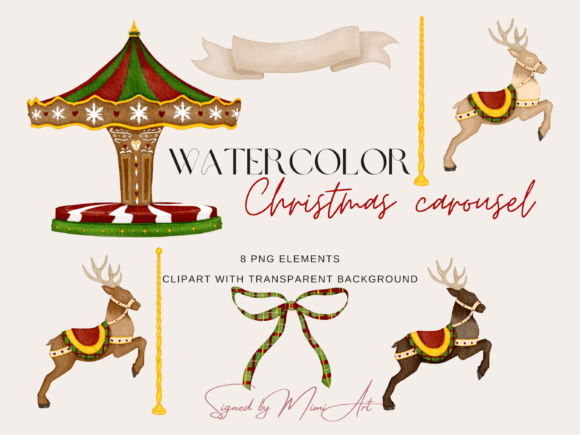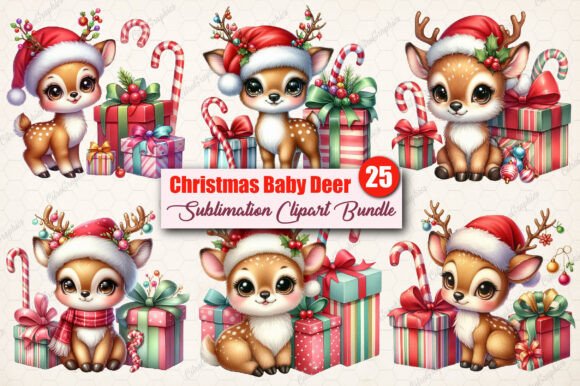
Watercolor Christmas Baby Deer Clipart for Modern Illustrations
As a digital publisher who has spent years refining the visual language of content websites, I know that the difference between a scroll-past and a click-through often comes down to one element: the graphic design asset you choose. Recently, I evaluated Watercolor Christmas Baby Deer Clipart with the intention of integrating it into a seasonal editorial campaign. My goal was not just to add decoration, but to elevate the entire brand identity of a holiday-focused blog series. This review focuses on how this specific illustration functions within a real-world publishing workflow, from featured images to newsletter headers.
The First Impression of Editorial Mood
When I first opened the file, the immediate feeling was one of gentle nostalgia. The watercolor texture provides an organic, hand-crafted quality that stands out starkly against the rigid, pixel-perfect vector graphics that dominate many modern blogs. For a niche focused on lifestyle, parenting, or cozy winter themes, Watercolor Christmas Baby Deer Clipart creates an instant emotional connection. It signals warmth, playfulness, and a touch of whimsy without sacrificing readability.
This is not a corporate logo or a stark technical diagram. It is an artistic piece designed to soften the user experience. In terms of editorial mood, it leans heavily into the "cozy" aesthetic. It feels feminine, festive, and inviting. When placed alongside serif fonts, it evokes a classic storybook feel, while pairing it with clean sans-serif typography can create a modern, boutique vibe. For content creators looking to establish a distinct visual identity during the holiday season, this asset offers a level of charm that generic clipart simply cannot match.
Integrating Assets into a Real Publishing Workflow
Imagine a typical week in my office where I am preparing a comprehensive holiday guide. I need visuals for multiple touchpoints: a Pinterest pin to drive traffic, a featured image for the blog post, a banner for the email newsletter, and perhaps a cover for a downloadable lead magnet. Watercolor Christmas Baby Deer Clipart proved versatile enough to handle this entire ecosystem.
In the context of Pinterest pins, the soft edges of the deer allow text overlays to remain legible if positioned correctly. The watercolor background can be subtly desaturated to ensure the headline pops, creating a strong visual hierarchy that encourages clicks. For website headers, the asset adds a layer of personality that makes the site feel curated rather than templated. It transforms a standard article layout into a polished editorial experience.
I also tested its utility as a digital product component. When used in a printable worksheet or a digital guide, the high resolution ensures that the details hold up even when printed. This is crucial for affiliate marketing pages where trust is paramount; using low-quality, pixelated graphics can undermine the credibility of your recommendations. By utilizing this graphic design asset, I maintained a professional standard across all monetized channels.
Strategic Applications for Content Creators
- Featured Images: Use the clipart to create unique thumbnails that stand out in social feeds and search results.
- Social Media Graphics: Adapt the design for Instagram stories and Facebook posts to maintain consistent branding.
- Newsletter Headers: Add a festive touch to email campaigns without overwhelming the message.
- Canva Templates: Incorporate the image into reusable templates for team members to use easily.
- Category Thumbnails: Define specific sections of your website, such as "Holiday Crafts" or "Winter Recipes."
- EBook Covers: Provide a professional finish to downloadable resources or whitepapers.
Enhancing Performance and Reader Trust
Visuals do more than look pretty; they influence behavior. A well-designed visual hierarchy guides the reader's eye to the most important information. When Watercolor Christmas Baby Deer Clipart is used effectively, it acts as a visual anchor. It breaks up large blocks of text and invites the user to engage deeper with the content. This leads to longer session times and lower bounce rates.
Furthermore, consistency builds trust. If a website uses cohesive design assets throughout its content marketing strategy, it appears more established and reliable. Readers are more likely to share content and click on affiliate links when the presentation feels premium. The artistic nature of this illustration suggests that the content creator cares about detail, which translates into perceived value for the audience.
Where the Design Shines Brightest
- Hero Images: Large banners that set the tone for the page.
- Editorial Accents: Small decorative elements that frame quotes or sidebars.
- Downloadable Resources: Covers for printables and worksheets.
- Lead Magnets: Visuals that entice users to sign up for newsletters.
- Social Media Previews: Thumbnails that appear when links are shared.
Navigating Limitations and Best Practices
While this asset is powerful, it is not a one-size-fits-all solution. As an experienced designer, I must caution against using Watercolor Christmas Baby Deer Clipart in contexts where minimalism or strict professionalism is required. For example, in a serious financial blog or a corporate tech site, the whimsical nature of a baby deer might clash with the desired brand voice.
There are also technical considerations. On small mobile screens, intricate watercolor details can sometimes become muddy if the image is too large or lacks sufficient contrast. I recommend testing the asset on various devices before finalizing the layout. Additionally, avoid placing this graphic on busy backgrounds or complex patterns, as it may get lost visually. For text-heavy blog images, ensure there is ample negative space around the deer to prevent the composition from feeling cluttered.
Essential Publisher Notes for Implementation
To get the most out of this commercial design asset, follow these practical steps:
- Screen Testing: Always preview the image on both desktop and mobile views to check scaling.
- Contrail Check: Ensure the colors of the clipart provide enough contrast against your background and text.
- Font Pairing: Experiment with different typefaces. Try pairing the organic shape of the deer with a script font for a romantic feel, or a bold display font for a modern impact.
- Performance Optimization: Compress the image properly to maintain fast load times. Slow pages hurt SEO and user experience.
- Licensing Verification: Confirm that you have the correct commercial license before using the image on monetized websites or paid products.
Ultimately, Watercolor Christmas Baby Deer Clipart is more than just a picture; it is a tool for storytelling. When integrated thoughtfully into your web design and editorial design strategy, it enhances the overall narrative of your brand. Whether you are an online educator, a small business owner, or a creative entrepreneur, having access to high-quality illustrations allows you to present your content with confidence and style.
By treating your visual assets with the same care as your written content, you create a cohesive experience that resonates with readers. This particular asset brings a touch of magic to the digital space, proving that even in a world of algorithms and data, human-centric design still holds the power to connect and convert.