Bear Christmas Clipart for Real Embroidery Projects
As someone who has spent years turning digital files into tangible, stitched treasures for clients and craft fairs alike, I approach every new design asset with a mix of excitement and skepticism. You have likely seen the Bear Christmas Clipart floating around digital marketplaces, but does it actually hold up when the needle starts moving? In this review, I am stepping away from the screen to evaluate how this illustration performs in real-world embroidery scenarios, from custom holiday gifts to boutique merchandise.
The First Stitch: Visual Personality and Mood
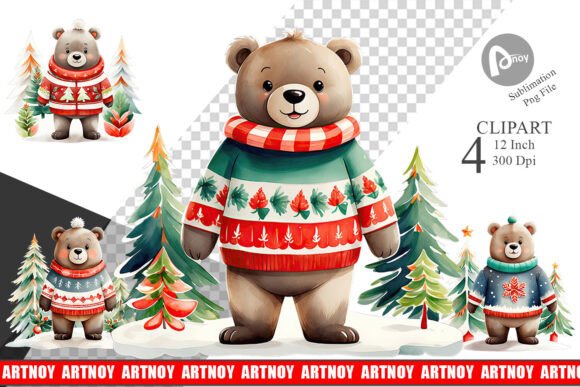
The moment you load Bear Christmas Clipart into your digitizing software, the mood is immediately established. It exudes a cozy, nostalgic warmth that feels perfect for the winter season. Unlike generic holiday icons that can feel mass-produced, this piece carries a distinct visual personality. The shape of the bear suggests softness, while the Christmas elements add a layer of festive charm without overwhelming the silhouette.
For an embroiderer, the initial appeal lies in the balance of detail. It is not so intricate that it risks getting lost on small fabrics, nor is it so simple that it lacks character. This makes it an ideal candidate for a wide range of embroidery projects, particularly those aiming for a handmade, artisanal feel. When I imagine this design stitched onto a cream-colored tea towel or a navy blue sweatshirt, the contrast potential is obvious. It creates an immediate emotional connection, signaling quality and care before the customer even touches the item.
Real-World Application: From Screen to Fabric
Let me walk you through a specific scenario. Imagine you are an Etsy seller preparing for the holiday rush. You need a unique design for a line of personalized baby onesies and matching nursery pillows. You decide to use Bear Christmas Clipart as the centerpiece. The goal is to create a product that feels exclusive and high-end, justifying a premium price point.
In practice, this design shines on apparel like sweatshirts and t-shirts where there is ample space to showcase the details. The fill stitches would render beautifully on a heavy cotton fleece, creating a plush texture that matches the "soft" vibe of the bear. However, the true test comes when you consider versatility. Could this work as a tote bag design? Absolutely. The sturdy canvas of a tote allows for a slightly larger stitch density without warping the fabric, making the bear pop against the neutral background.
I also envision this being a hit for kitchen towels and aprons. The theme fits the domestic holiday setting perfectly. When a customer receives a personalized gift featuring this embroidered bear, the perceived value skyrockets. It transforms a standard kitchen item into a cherished keepsake. For commercial embroidery businesses, this design offers a reliable way to generate quick, high-margin products during the Q4 season. It is versatile enough to be adapted into a custom apparel collection or used as a standalone embroidered patch for jackets.
Where Caution is Required
While Bear Christmas Clipart is a strong contender, no design is universally perfect. As an experienced reviewer, I must highlight areas where you should exercise caution. If you plan to use this on small hoop sizes, such as 4x4 inches, you will need to scrutinize the fine details. Tiny decorative accents might get lost or merge together if the stitch count is too high for the limited area.
Fabric choice is another critical factor. Textured fabrics, like bouclé or heavy corduroy, can obscure the definition of the bear's features. Similarly, thin or stretchy fabrics require careful stabilizer selection; otherwise, the tension of the satin stitch could cause puckering, ruining the clean lines of the illustration. Dark fabrics present a challenge as well. If the original file is optimized for light backgrounds, you may need to adjust the thread colors significantly to ensure the bear stands out, which might alter the intended color palette.
Curved surfaces, such as caps and hats, demand special attention. While the rounded shape of the bear complements the curve of a cap, the stitching density must be managed to prevent the fabric from bunching up at the seams. Furthermore, items that undergo frequent washing, like baby clothes or kitchen linens, benefit from designs that are robust. If the stitch density is too low, the design might look sparse after a few wash cycles. Always verify that the design holds its integrity under mechanical stress.
Design Judgment: Value and Professionalism
The impact of a good design extends beyond aesthetics; it influences customer trust and brand consistency. Using Bear Christmas Clipart in your finished product signals that you understand seasonal trends and have a curated eye for style. It elevates a handmade product from a simple craft project to a professional offering.
For digital product sellers, this illustration serves as excellent design assets for creating printable mockups. High-quality previews of this design on various garments can drive engagement and sales on platforms like Etsy. Buyers are more likely to purchase a listing that showcases a clear, cohesive image. The recognition factor is key here; a cute bear motif is instantly recognizable and appeals to a broad demographic, from parents looking for nursery decor to adults seeking holiday home accents.
However, professionalism hinges on execution. A poorly digitized version of this clipart can look messy and cheapen the brand. Therefore, the transition from digital file to finished product must be seamless. The thread colors should complement the fabric, and the placement must be centered and balanced. When done correctly, this design fosters a sense of joy and anticipation, which is exactly what buyers want during the holidays.
Practical Notes for the Designer
Before you commit to a full production run, follow these practical steps to ensure success. First and foremost, always test the design on scrap fabric that matches your final material. This allows you to check the thread color contrast and observe how the stitch density interacts with the weave of the cloth.
Review the design in black and white mockups to ensure the shapes remain distinct without relying solely on color. Check whether the design works for both personal use and commercial projects by reviewing the licensing terms carefully. If you intend to sell finished items, confirm that the license permits commercial embroidery. If you are selling the digital file itself, ensure you have the rights to distribute it.
Inspect small details closely. Are there any tiny points that might break the needle or snag? Confirm the hoop size requirements and ensure you have the proper stabilizer ready for the specific fabric type. Compare light and dark fabric backgrounds to see if the design needs two versions or if one set of threads will suffice. Finally, think about the end-user. Is this a durable holiday embroidery piece that will last for years, or a temporary decoration? Your answer dictates the quality of materials you choose.
Final Thoughts on the Design Potential
Bear Christmas Clipart is more than just a static image; it is a versatile tool for creative entrepreneurs and hobbyists alike. Its ability to bridge the gap between whimsical illustration and functional embroidery makes it a valuable addition to any designer's library. Whether you are crafting a unique personalized gift for a loved one or building a small shop product line for the holiday season, this design offers a solid foundation for creativity.
By paying attention to fabric choices, stitch settings, and testing protocols, you can transform this digital asset into a stunning physical reality. It respects the craft of embroidery while delivering a modern, charming aesthetic that resonates with customers. For anyone looking to expand their catalog of digital embroidery files or enhance their craft business offerings, this clipart is a worthy investment—provided it is treated with the care and technical precision it deserves.